Why Clean Warehouses Help Your Business
Your warehouse is more than storage space—it’s the centre of your business operations. Keeping it clean affects worker safety, how much work gets done, and how customers see your business.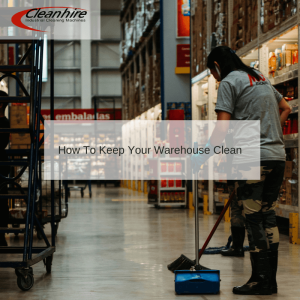
Clean walkways and quick spill cleanup help create safer workplaces where accidents are less likely to happen. Studies show that improved cleanliness and organisation can significantly reduce accidents and increase productivity. This leads to lower insurance costs, happier staff, and better business results.
A tidy warehouse shows customers, suppliers, and new employees what your business stands for. When people see a clean facility, they trust you with their business.
This guide teaches you how to set up cleaning routines that work, from daily tasks to big cleaning projects. You’ll learn how to get your team involved and make cleaning part of your success plan.
Setting Up Your Cleaning Plan
Good warehouse cleaning starts with a plan your team can follow. Without clear rules, you’ll only clean when problems happen, leading to bigger issues and higher costs later.
Start simple and build up as your team gets used to the routine. Early wins help everyone understand why cleaning matters.
Split your warehouse into zones based on how busy they are. Loading docks get constant use and need daily attention. Storage areas need less frequent but thorough cleaning. Give team members responsibility for specific zones—when people own their areas, they notice problems faster and take better care of the space.
Plan cleaning around your work schedule. Daily jobs focus on safety: sweep walkways, empty bins, and wipe equipment. Weekly tasks include deeper floor cleaning and equipment checks. Monthly jobs cover high shelves and spaces behind large equipment. Annual plans handle major equipment care and whole-warehouse deep cleaning.
Create a simple system where workers mark off finished tasks. This helps spot repeated problems in the same locations. Review your plan every few months as your business changes.
Daily Tasks That Stop Problems
Small issues become expensive disasters when ignored. Your daily cleaning list should focus on safety and keeping operations smooth.
Clean floors every day in all work areas. Sweep main paths, loading zones, and workstations to remove things people might trip over. Clean spills immediately—water causes slips while oil and chemicals create serious safety risks. Train everyone to handle spills when they spot them, rather than waiting for cleaning staff.
Wipe down machines that get used often, including screens and control panels. Look for damage or wear that signals developing problems. Clean equipment works better and helps you catch issues before they cause breakdowns.
Break rooms and bathrooms have a big impact on worker mood. Clean these areas daily, stock supplies, and keep everything tidy. Workers in clean spaces are more productive and loyal to your company.
Choosing the Right Cleaning Equipment
Different areas need different tools. Smart equipment choices save time and give better results.
Large warehouses over 10,000 square feet benefit from industrial sweepers that cover ground quickly. Floor scrubbers handle tough stains while cleaning and drying at the same time, saving time compared to manual mopping. Smaller areas around equipment might still need traditional mops and buckets.
Buy commercial vacuum cleaners designed for warehouse dust loads. Look for models with good filters if you store sensitive products. Wet-dry vacuums handle both regular cleaning and unexpected spills.
Keep cleaning supplies within 50 metres of where you need them most. When supplies are nearby, people fix problems immediately instead of walking across the facility. Set up cleaning stations with tool hooks, supply shelves, and space for larger cleaning equipment. Train workers on safe equipment use and basic maintenance.
Floor Safety and Maintenance
Warehouse floors take constant stress from foot traffic, forklifts, and heavy equipment. Safe flooring needs quick responses to problems and regular planned care.
Different floor types need specific approaches. Concrete floors need regular sweeping to stop dust buildup plus monthly deep cleaning. Sealed floors resist stains but need gentle cleaners that won’t damage coatings. Rubber flooring might need special products to maintain slip resistance.
Industrial cleaning machines work better than manual methods in facilities over 5,000 square feet. Sweepers cover ground rapidly while scrubbers clean thoroughly and dry at the same time. Hand cleaning remains important for detailed work around obstacles.
Check floors regularly for cracks, loose sections, or worn areas needing repair. Write down problems and watch for patterns that show larger issues. Early action stops minor damage from becoming expensive structural repairs.
Deep Cleaning Operations
Daily maintenance keeps operations running, but periodic deep cleaning handles built-up dirt and reaches areas regular cleaning misses. Schedule major cleaning during quiet periods like weekends or planned shutdowns.
High areas including tall shelves, ceiling lights, and spaces behind equipment collect dust that daily routines never reach. Use extension tools for high areas and stable ladders for detailed work. Add temporary lighting during cleaning to spot problem areas clearly.
Equipment deep cleaning makes machinery last longer and prevents unexpected failures. Some procedures need equipment shutdown, so coordinate with production schedules at least one week ahead. Consider warehouse deep cleaning services for specialist cleaning tasks or when internal resources are stretched.
Clean one warehouse section monthly rather than attempting everything at once. This maintains normal operations in other areas while ensuring thorough attention to each zone.
Managing Support Areas
Break rooms and offices need different approaches than warehouse floors. Clean frequently touched surfaces like door handles and light switches daily. Use food-safe products in kitchen areas to prevent contamination.
Bathroom cleanliness affects worker health and mood more than most factors. Check soap, paper towels, and toilet paper daily. Clean and disinfect all surfaces regularly. Fix plumbing issues within 24 hours to prevent larger problems.
Computer workstations need regular dusting because built-up debris causes overheating and poor performance. Clean monitors and keyboards weekly.
The exterior creates first impressions for visitors and delivery drivers. Remove litter from loading areas weekly and clean oil stains promptly before they become permanent. Repair surface damage that could harm vehicles or create liability issues.
Simple preventive measures reduce year-round cleaning needs. Good entrance mats catch dirt before it enters your facility. Covered loading areas protect goods and reduce weather-related cleaning.
Building Team Commitment
Introduce cleaning standards during new employee orientation. Include cleaning responsibilities in job descriptions so expectations are clear from day one. Explain how high standards benefit everyone through improved safety and working conditions.
Recognise teams or individuals who maintain hygiene to high standards consistently. Monthly recognition programmes or small rewards motivate better than demands alone. Provide proper training and resources rather than expecting improvements without support.
When managers participate in cleaning activities and discuss standards in meetings, workers understand these expectations matter company-wide. Leading by example creates real cultural change.
Create simple reporting systems for spills, equipment problems, or areas needing attention. Quick responses show you value input and prevent small issues from becoming major problems.
Include cleaning topics in team meetings alongside other operational discussions. Share success stories and seek suggestions from workers who perform these tasks daily. Front-line staff often have practical insights that management might miss.
Measuring Success
Conduct monthly inspections using consistent checklists. Check safety alongside appearance because attractive facilities mean nothing if hazards remain. Write down findings and track trends to identify areas needing attention.
Review your cleaning programme every six months to ensure it meets operational needs. Changes in stored products, new equipment, or modified work patterns may need routine adjustments.
Clear labelling on cleaning stations and reminder signage about spill procedures help maintain standards between formal inspections. Good visual communication reduces training time for new staff.
Track meaningful indicators like accident rates, equipment downtime, and staff satisfaction levels. These measurements show that cleaning investments generate returns and identify which cleaning duties work most effectively.
Gather feedback from staff, customers, and visitors because different perspectives reveal problems regular workers might overlook. Develop a simple scoring system for different facility areas each month. Share scores with your team to create friendly competition between zones or shifts.
Long-Term Success
Set realistic targets your team can meet consistently rather than perfect standards that create frustration. Build confidence through early successes, then gradually raise expectations as your cleaning culture develops.
The most successful warehouse cleaning processes fit naturally with daily operations rather than feeling like extra burdens. Well-maintained warehouses contribute directly to business success through reduced insurance costs, better customer impressions, improved staff retention, and fewer operational disruptions.
Your cleaning process should evolve with your business while maintaining basic standards that keep your warehouse safe, efficient, and compliant with health and safety regulations. Through proper planning, enough resources, and real commitment from management and staff, your warehouse becomes a model facility supporting all business objectives.